Home Contact Sitemap login Checkout


TruMed Naturopath Logo


      • Refills
      • Book
    • Contact
    • About


TruMed Naturopathic Clinic
  • Home
  • Conditions We See
    • Conditions We See
    • Women's Health
    • Hormones
    • Digestive Concerns
    • Fatigue
    • Weight Loss
    • Thyroid
    • Skin
    • Mood
    • Autoimmune
    • Cancer
    • Fertility
    • Brain Injury & Concussion
    • Multiple Sclerosis
    • Pediatrics
    • Long COVID
  • Testing
    • Testing
    • Food Sensitivity Testing
    • Hormone Testing
    • Thyroid Testing
    • Adrenal Testing
    • Digestive Testing
    • Nutritional Testing
    • Heavy Metal Testing
    • Infectious Testing
  • Treatments
    • Treatments
    • Prolotherapy
    • Hyperbaric Chamber
    • IV Therapy
    • Iron
    • NAD
    • Glutathione
    • Vitamin C
    • Vitamin Cocktails
  • Hormone Replacement
    • Hormone Replacement
    • Female Hormone Replacement
    • Testosterone Replacement
    • Thyroid Replacement
  • Women's Health
  • Hormones
  • Digestive Concerns
  • Fatigue
  • Weight Loss
  • Thyroid
  • Skin
  • Mood
  • Autoimmune
  • Cancer
  • Fertility
  • Brain Injury & Concussion
  • Multiple Sclerosis
  • Pediatrics
  • Long COVID
Home/Conditions We See/Brain Injury & Concussion Print This Page

Concussion & Brain Injury in Edmonton

Offering Edmonton Concussion & TBI Treatment


Hyperbaric Oxygen & IV Therapy in Edmonton


We rely on Hyperbaric Oxygen in the management of Traumatic Brain Injury


This review page does not offer medical advice


Brain Injury Background: 

What is a TBI?

TBI or Traumatic Brain Injury is an alteration in brain function, or evidence of brain pathology, caused by an external force.


Symptoms of a TBI vary from mild to severe.


TBI pathogenesis: After the primary injury, there is secondary injury to the brain.


Including raised intracranial pressure, reduced oxygenation, activation of microglia, release of excitotoxic neurotransmitters and altered calcium homeostasis.


What is a mTBI?

Up to 90% TBIs are classified as mild TBI or mTBI.


With a loss of consciousness less than 30 minutes, post traumatic amnesia of less than a day and Glasgow Coma Scale (GCS) score of 13–15.


What is a Concussion?

Concussion is often used as a synonym for mild TBI, but it is used more specifically to describe the symptoms and signs that an individual may experience after a mild TBI.


Most concussion symptoms resolve in 5-10 days.


What is Post Concussion Syndrome?

Post Concussion Syndrome (PCS) is when the symptoms remain beyond 14 days .


The main PCS symptoms are headaches, dizziness, fatigue, irritability, anxiety, insomnia, loss of concentration and memory, and noise sensitivity.

These PCS symptoms can linger for months.


Some patients experience Prolonged PCS (PPCS) where the symptoms last for over six months.


What is Hyperbaric Oxygen?

Use of a Hyperbaric Chamber, which provides 100% pure oxygen under pressurized conditions.


Hyperbaric chambers can cause a 10 -15 fold increase of oxygen in the blood which facilitates healing.

Can Hyperbaric help with Concussion management?

Yes!

Strong data from multiple clinical trials and case reports supports a very unique and real effect of Hyperbaric Oxygen Therapy in the treatment of chronic Brain Injury and Concussion.


We'll dive into some of the studies further down this page.


The regeneration process after Brain Injury and Concussion requires much additional energy and Hyperbaric Oxygen can supply the substrate to produce energy needed for brain repair.


How can IV Therapy help with Concussion management?

With IV Therapy, we put substances directly into the blood stream needed for brain repair.


Generally speaking, we love using IV Therapy because it can give extremely rapid benefits in some patients.


Regular IV Therapy treatments has proven sufficient for numerous Post Concussion Syndrome and Brain Injury patients.


Usually 8-12 weeks of treatment is done with Hyperbaric and IV treatment done "back to back."


How does Hyperbaric Oxygen help in Brain Injury?

When it comes to Brain Injury & Concussion treatment, Hyperbaric Oxygen Therapy has five main areas it affects that are relevant.


Increased brain tissue oxygenation, anti-inflammatory effects, reduced neuronal death (apoptosis), neurogenesis as well as stimulating release of stem cells!


Because of these unique mechanisms, our Naturopathic Clinic began offering Hyperbaric Treatment in Edmonton.


Contact us for a free Hyperbaric consultation


Connect with one of our NDs today


780 757 8378


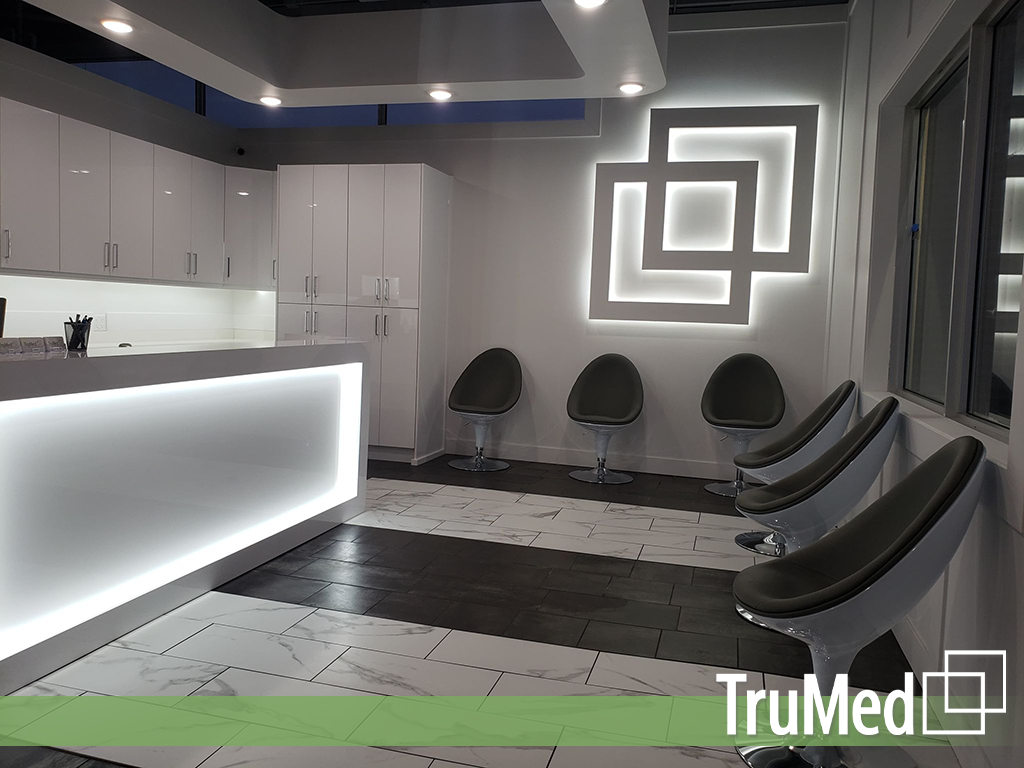
TruMed Edmonton Clinic


This is us.


Concussion & Brain Injury - Human Data

Our Naturopathic Doctors use evidence informed treatments for Brain Injury and Concussion management at our Edmonton centre.


We've selected some key studies to share regarding Hyperbaric Therapy and Brain Injury and Concussion treatment.


Harch (2012) - 16 war veterans with mild to moderate Traumatic Brain Injury with Post Concussion Syndrome and PTSD using Hyperbaric Oxygen Therapy. 


80% had an improvement in the majority of their symptoms in this case series.


Harch (2017) looked at 30 military subjects aged 18-65 with Persistent Post Concussion Syndrome with or without PTSD using Hyperbaric Therapy.


Significant improvement was seen in multiple areas.


Improved neurological exam, memory, dominant hand motor speed and dexterity, as well as mental emotional symptoms such as general anxiety, PTSD and depression.


Furthermore, at 6-months subjects reported further symptomatic improvement.


Boussi-Gross et al. (2013) looks at use Hyperbaric treatment in 56 patients with Post Concussive Syndrome up to 6 years after the initial injury.


An improvement was observed in all cognitive measures with effect sizes from medium to large. 


Weaver (2018) looked at 36 patients with mild Traumatic Brain Injury and Persistent Post Concussion Syndrome.


Improved Post-Concussive and PTSD symptoms were seen.


Sleep quality, anger and memory outcomes as well as balance improvements compared to a worsening in the sham group.


Harch 2020 reported results using Hyperbaric Treatment in Persistent Post Concussion Syndrome in 63 subjects on average 4.6 years after their last Brain Injury.


Statistically significant improvements in Post Concussion and PTSD symptoms were seen (see table below)


Harch (2020)

Fatigue 87% of patients improved
Dizziness  82% of patients improved 
Anxiety/Depression 86% of patients improved
Headache  83% of patients improved

Questions?

We can help 
(780) 757-8378


Looking for naturopaths in Edmonton who blend science, strategy, and seriously good vibes? Our team of naturopathic doctors delivers evidence-informed care with a special focus on advanced therapies like IV vitamin drips, nutritional infusions, and metabolic support—all offered right here in Edmonton.

Our clinic provides comprehensive naturopathic care for patients seeking natural, integrative, and personalized approaches to health. Whether you're exploring vitamin IV therapy, metabolic optimization, immune support, or ongoing wellness care, our naturopathic doctors take the time to investigate root causes and design tailored treatment plans.


We also offer clinical nutrition, functional medicine testing, botanical medicine, and targeted IV therapies including glutathione, NAD+, iron, and multi-nutrient infusions.


Patients searching for Edmonton naturopath clinics, Edmonton IV therapy, or integrative health in Edmonton choose us for our expertise, thoroughness, and patient-centered approach.


If you're looking for naturopathic doctors in Edmonton who combine modern lab testing with natural therapies—and who actually listen—you’re in the right place.


Recovery from a brain injury—whether a recent concussion or long-term Post-Concussion Syndrome (PCS)—requires more than just "rest and a dark room." At TruMed, our Edmonton clinic specializes in metabolic and neurological restoration. We combine advanced diagnostic testing with targeted therapies to help repair the "energy crisis" that occurs in the brain following trauma.

Naturopathic Doctors & Brain Injury Recovery

A Naturopathic Doctor (ND) focuses on the functional recovery of the brain by addressing the physiological root causes of symptoms like brain fog, headaches, and fatigue. In Edmonton, our Naturopaths at TruMed take a "whole-body" approach to neuro-rehabilitation.

We look beyond the structural injury to assess neuroinflammation, mitochondrial dysfunction, and hormonal imbalances (such as pituitary dysfunction) that often follow a Traumatic Brain Injury (TBI). By using evidence-based natural medicine, we aim to provide the brain with the specific nutrients and conditions it needs to heal itself.

IV Therapy for Brain Injury in Edmonton

Following a brain injury, the blood-brain barrier and cerebral metabolism are often compromised. Intravenous (IV) Therapy allows us to deliver high concentrations of neuroprotective nutrients directly into the bloodstream, ensuring they reach the brain even when digestive absorption is poor.

At TruMed, our IV protocols for TBI are designed to reduce neuroinflammation and restore cellular energy. This "metabolic priming" is often used to enhance the results of other treatments like Hyperbaric Oxygen.

IV NAD+ (Nicotinamide Adenine Dinucleotide)

NAD+ is a critical coenzyme for mitochondrial function and DNA repair. In TBI, brain cells experience a massive drop in NAD+ levels, leading to "cellular exhaustion" and cell death.

  • The Science: A study by Ying et al. (2007) demonstrated that restoring NAD+ levels can reduce neuronal death by up to 60-90% in ischemic brain injury models.

  • The Benefit: IV NAD+ at our Edmonton clinic is used to "recharge" the brain’s batteries, potentially improving cognitive processing speed, mood stability, and mental clarity.

NAD+ Injections

For patients requiring ongoing neurological support, NAD+ injections provide a convenient way to maintain high cellular levels of this coenzyme between full IV sessions. These subcutaneous or intramuscular shots are frequently used by our Edmonton patients to manage the persistent brain fog and fatigue associated with chronic PCS.

IV Glutathione: The Brain’s Shield

Glutathione is the body’s "master antioxidant." After a brain injury, the brain’s natural glutathione stores are rapidly depleted as they fight off a "tsunami" of free radicals (oxidative stress).

  • The Science: Research by Ansari et al. (2008) found that glutathione levels in the hippocampus drop significantly within hours of a TBI, increasing the brain's vulnerability to further damage.

  • The Benefit: By providing IV Glutathione, we help neutralize oxidative stress and protect surviving neurons. This is a cornerstone of our concussion protocol at TruMed to help reduce the severity of secondary injury.

Glutathione Injections

In addition to IV drips, we offer Glutathione injections for frequent antioxidant support. These are especially helpful for athletes or individuals in Edmonton who are in the acute phase of recovery and need to keep inflammation low without the time commitment of a full IV appointment.

Iron Infusions & Injections for Cognitive Recovery

Iron is essential for transporting oxygen to the brain and for the production of neurotransmitters like dopamine. While iron must be monitored carefully in TBI, many patients suffer from Iron Deficiency which mimics or exacerbates PCS symptoms—leading to extreme fatigue, "heavy" head sensations, and poor concentration.

  • The Approach: If blood work reveals low ferritin (iron stores), our Edmonton Iron Infusions provide a rapid way to restore oxygen-carrying capacity to the brain, supporting the high metabolic demands of the healing process.

Hyperbaric Oxygen Therapy (HBOT) for TBI

HBOT involves breathing pure oxygen in a pressurized chamber, which forces oxygen deep into the brain tissues and cerebrospinal fluid.

  • The Science: A major clinical trial by Boussi-Gross et al. (2013) showed that HBOT can induce significant neuroplasticity and improve cognitive function in patients even years after their injury. Furthermore, a 2025 systematic review (published in Annals of Medicine and Surgery) confirmed significant improvements in memory and attention in TBI patients following HBOT.

  • The TruMed Protocol: We typically use pressures of 1.5 ATA, which is supported by the Harch (2012) data for being highly effective for "waking up" dormant neurons in the penumbra (the area around the injury).

Start Your Recovery at TruMed

If you are searching for a Naturopath in Edmonton who specializes in evidence-based brain injury support, we invite you to experience the TruMed difference. From IV NAD+ to our Hyperbaric Oxygen chambers, we provide the most modern alternative treatments available in Alberta.

Would you like me to create a "Research Summary" table comparing the benefits of these therapies for your website visitors to download?


Brain Injury & Neuro-Regenerative BHRT

A concussion or traumatic brain injury can disrupt the delicate signaling between the brain and the hormone-producing glands. This "hypopituitarism" often leads to a deficiency in testosterone, which is essential for neuro-regeneration and cognitive recovery. Our Edmonton clinic uses bioidentical hormone replacement therapy to provide the brain with the anabolic environment necessary for repair. By restoring testosterone to optimal levels using BHRT, we support the growth of new neural connections and improve the cognitive processing speed of patients recovering from neurological trauma.


Brain Injury & Concussion Recovery

Repairing the "energy crisis" and restoring neurological function.

  • IV NAD+ & Glutathione: Recharging neurons and neutralizing post-impact oxidative stress.

  • Hyperbaric Oxygen (HBOT): Pushing oxygen into the penumbra to wake up dormant brain tissue.

  • TRT for Brain Injury: Addressing post-traumatic hypogonadism caused by pituitary damage.

  • BHRT for Brain Injury: Following a TBI, the "master gland" (pituitary) often fails to signal the production of neuroprotective hormones like progesterone and DHEA. We use BHRT to restore these levels, as progesterone has been shown in studies to reduce cerebral edema (swelling) and promote the repair of the blood-brain barrier.

  •  
  • Hyperbaric Oxygen Therapy for Brain Injury and Concussion in Edmonton

Brain injuries and concussions can have a profound impact on a person's physical, cognitive, and emotional health. While many people recover from a concussion within days or weeks, some individuals experience persistent symptoms that can last for months or even longer. Ongoing headaches, dizziness, balance problems, fatigue, brain fog, difficulty concentrating, memory changes, sleep disruption, mood changes, and reduced exercise tolerance can significantly affect work, school, relationships, and quality of life.


At TruMed, we recognize that brain injury and concussion recovery in Edmonton can be complex and highly individualized. Our Hyperbaric Oxygen Therapy (HBOT) in Edmonton program provides access to advanced oxygen therapy that may be considered as a complementary component of a comprehensive approach to neurological recovery and rehabilitation.


Hyperbaric Oxygen Therapy involves breathing concentrated oxygen while inside a pressurized hyperbaric chamber. The increased atmospheric pressure allows more oxygen to dissolve into the bloodstream and become available to tissues throughout the body, including the brain.

Because the brain has a high metabolic demand and requires a continuous supply of oxygen, the potential relationship between hyperbaric oxygen, brain tissue, neurological recovery, and concussion has been the subject of ongoing research.


At TruMed, we believe it is important to take a balanced approach. HBOT is not a replacement for emergency care, neurological assessment, concussion rehabilitation, or conventional treatment. However, for selected patients—particularly those experiencing persistent symptoms following a traumatic brain injury—hyperbaric oxygen may be considered as a complementary therapy within a broader recovery program.

Hyperbaric Oxygen Therapy and Concussion in Edmonton

Patients searching for Hyperbaric Oxygen Therapy in Edmonton for concussion often want to know whether HBOT can help them recover more quickly or improve persistent symptoms.

A concussion is a form of mild traumatic brain injury that can temporarily disrupt normal brain function. Although there may be no obvious structural injury visible on routine imaging, changes in brain metabolism, blood flow, and neurological function can occur.


Most people recover with appropriate rest followed by a gradual return to normal activity. However, some individuals develop persistent symptoms, sometimes referred to as post-concussion syndrome or persistent post-concussive symptoms.

Symptoms may include:

  • Headaches

  • Dizziness

  • Balance problems

  • Fatigue

  • Brain fog

  • Difficulty concentrating

  • Memory problems

  • Sensitivity to light or sound

  • Sleep disturbances

  • Irritability

  • Anxiety

  • Depression or mood changes

  • Reduced exercise tolerance

Hyperbaric Oxygen Therapy has been studied in individuals with traumatic brain injury and persistent post-concussion symptoms. Research findings have been mixed, and HBOT is not universally accepted as a standard treatment for uncomplicated concussion.


For this reason, patients should not view HBOT in Edmonton as a replacement for evidence-based concussion management. However, selected patients with persistent symptoms may wish to discuss whether hyperbaric oxygen could be considered as an adjunct to their broader rehabilitation and recovery plan.

Hyperbaric Oxygen Therapy and Traumatic Brain Injury

Traumatic brain injury (TBI) encompasses a broad spectrum of injuries, ranging from mild concussion to more severe brain trauma.


The effects of a traumatic brain injury can vary depending on the severity and mechanism of injury, with symptoms potentially involving movement, coordination, cognition, memory, mood, sleep, and sensory processing.


Following a brain injury, changes in blood flow, inflammation, cellular metabolism, and tissue oxygenation may occur.


This has led researchers to investigate whether Hyperbaric Oxygen Therapy may have a role in supporting neurological recovery following traumatic brain injury.


HBOT has been studied in both acute and chronic TBI settings. Some research has suggested potential benefits in selected patients, while other studies have produced less conclusive results.

Because the evidence remains mixed, HBOT should be considered a complementary therapy rather than a universally established treatment for traumatic brain injury.


At TruMed, patients considering hyperbaric oxygen therapy in Edmonton following TBI should undergo an individualized assessment and continue appropriate care with their neurologist, physician, concussion specialist, or rehabilitation team.

Hyperbaric Oxygen and Persistent Post-Concussion Symptoms

Some patients continue to experience symptoms long after the initial concussion has occurred.

Persistent post-concussion symptoms can be particularly frustrating because routine imaging may not always identify an obvious structural abnormality, even though the patient continues to experience real and often disabling symptoms.


Potential symptoms include:

  • Persistent headaches

  • Brain fog

  • Difficulty concentrating

  • Memory difficulties

  • Chronic fatigue

  • Dizziness

  • Poor balance

  • Exercise intolerance

  • Sleep problems

  • Mood changes

  • Increased sensitivity to light or sound

Patients with persistent symptoms may search for hyperbaric chambers in Edmonton because they are looking for additional therapies to support their recovery.


Research into HBOT for persistent post-concussion symptoms remains ongoing. While some studies have reported improvements in certain symptoms, other research has raised questions about whether the benefits are attributable specifically to hyperbaric oxygen or to other factors associated with treatment.

At TruMed, we believe patients deserve a balanced understanding of the evidence.


For selected individuals, HBOT in Edmonton may be explored as a complementary therapy alongside appropriate concussion rehabilitation, physical therapy, vestibular therapy, occupational therapy, sleep optimization, nutritional support, and other evidence-informed approaches.

Hyperbaric Oxygen Therapy and Brain Oxygenation

One of the primary physiological effects of Hyperbaric Oxygen Therapy is increasing the amount of oxygen dissolved in the blood plasma.


The brain is highly dependent on oxygen. Neurons require a continuous supply of oxygen to support energy production and normal neurological function.


During HBOT, the combination of increased oxygen concentration and atmospheric pressure allows more oxygen to be transported through the bloodstream and made available to tissues.


This physiological effect is one reason researchers have investigated hyperbaric oxygen therapy for brain injury and concussion.


However, increased oxygen availability does not automatically mean that every patient with a concussion or brain injury will improve.


The effects of HBOT may depend on the nature of the injury, the timing of treatment, the severity of symptoms, and many other individual factors.

Hyperbaric Oxygen and Brain Inflammation

Traumatic brain injury can trigger complex inflammatory processes within the nervous system.

Inflammation is part of the body's natural response to injury, but prolonged or excessive inflammatory activity may contribute to ongoing symptoms in some patients.


Because HBOT has been studied in relation to tissue oxygenation and inflammatory pathways, researchers have investigated whether it may influence some of the biological processes associated with brain injury.

The relationship between HBOT and neuroinflammation remains an active area of research.


Patients searching for Hyperbaric Oxygen Therapy in Edmonton should understand that this research does not establish HBOT as a universal treatment for brain inflammation or concussion.

Instead, the potential effects of HBOT on tissue oxygenation and inflammatory processes represent one of several reasons it continues to be investigated as a complementary therapy for neurological recovery.

Hyperbaric Oxygen Therapy and Brain Fog

Brain fog is one of the most commonly reported symptoms following concussion and traumatic brain injury.


Patients may describe difficulty finding words, reduced attention, slower thinking, poor short-term memory, or difficulty multitasking.


These symptoms can be frustrating and can interfere with professional and academic performance.

Patients searching for HBOT in Edmonton may be interested in whether increasing oxygen availability can improve cognitive function.


Hyperbaric oxygen has been investigated in several areas of neurological health, including cognitive function following traumatic brain injury. However, the evidence remains mixed and should be interpreted cautiously.


At TruMed, we encourage patients with persistent brain fog to consider a comprehensive evaluation. Sleep quality, medication effects, nutritional deficiencies, hormonal changes, mood, physical activity, and other health factors may all influence cognitive function.

For selected patients, Hyperbaric Oxygen Therapy in Edmonton may be considered as one component of a broader neurological recovery plan.

Hyperbaric Oxygen and Post-Concussion Fatigue

Fatigue is another common symptom following concussion and traumatic brain injury.

Patients may feel exhausted after relatively minor physical or cognitive activity and may find that they need significantly more recovery time than they did before their injury.

Post-concussion fatigue can have multiple contributing factors, including sleep disruption, autonomic dysfunction, reduced physical activity, mood changes, headaches, and other consequences of the injury.


Hyperbaric Oxygen Therapy is not a universal treatment for post-concussion fatigue, but selected patients may explore HBOT as part of a comprehensive recovery strategy.

At TruMed, patients with persistent fatigue may also benefit from evaluating other potential contributors, including iron deficiency, thyroid dysfunction, nutritional deficiencies, hormone changes, sleep disorders, and lifestyle factors.


Addressing these factors alongside appropriate concussion rehabilitation may be an important part of improving overall recovery.

Hyperbaric Oxygen Therapy and Headaches After Concussion

Headaches are among the most common symptoms following concussion and traumatic brain injury.

Post-traumatic headaches can vary significantly between individuals and may resemble migraine, tension-type headaches, or other headache patterns.


Because headaches following brain injury can have many causes, appropriate medical assessment is important.


Research into Hyperbaric Oxygen Therapy and post-traumatic headaches remains limited and evolving. HBOT should not be viewed as a first-line treatment for every headache following concussion.

However, patients with persistent symptoms may discuss HBOT in Edmonton with their healthcare team as a potential complementary therapy within a broader treatment plan.

Hyperbaric Oxygen and Exercise Recovery After Brain Injury

A gradual return to physical activity is an important component of recovery for many patients following concussion.


However, some patients experience significant exercise intolerance, where physical activity triggers headaches, dizziness, fatigue, or other symptoms.

A carefully structured rehabilitation program can help patients gradually rebuild exercise capacity.


For selected patients, Hyperbaric Oxygen Therapy may be considered as a complementary component of a broader recovery strategy. HBOT does not replace graded exercise rehabilitation, vestibular therapy, or other appropriate interventions.


Instead, it may be explored alongside these approaches when there is a clinical rationale for doing so.

Hyperbaric Oxygen Therapy and Mental Health Following Brain Injury

Brain injuries can affect emotional and psychological well-being.

Patients recovering from concussion or TBI may experience irritability, anxiety, depression, emotional instability, or changes in motivation.


These symptoms can result from a combination of neurological changes, disrupted sleep, physical limitations, chronic headaches, and the psychological impact of living with persistent symptoms.


Hyperbaric Oxygen Therapy should not be considered a replacement for appropriate mental health care. However, patients with brain injury may explore HBOT as one component of a broader recovery plan.

At TruMed, our approach recognizes the interconnected nature of neurological, physical, emotional, and metabolic health.

Hyperbaric Oxygen Therapy and Sleep After Concussion

Sleep disruption is common following concussion and traumatic brain injury.

Patients may experience difficulty falling asleep, frequent waking, excessive daytime sleepiness, or changes in their normal sleep schedule.


Poor sleep can, in turn, worsen fatigue, brain fog, headaches, mood, and cognitive function.


For patients interested in hyperbaric oxygen therapy in Edmonton, sleep should be considered an important part of the overall recovery strategy.


HBOT should not replace assessment and treatment for sleep disorders such as sleep apnea or chronic insomnia. However, selected patients may incorporate hyperbaric oxygen into a broader wellness and recovery program alongside appropriate sleep optimization strategies.

Hyperbaric Oxygen and Neurological Recovery

The nervous system has a remarkable ability to adapt and recover following injury. Rehabilitation is often focused on helping the brain and body regain function and develop strategies to compensate for areas that have been affected.


The potential role of Hyperbaric Oxygen Therapy in neurological recovery continues to be investigated.

Researchers have explored HBOT in connection with tissue oxygenation, cellular metabolism, inflammation, and other mechanisms that may be relevant to brain recovery.

However, neurological recovery is complex, and no single treatment is likely to be appropriate for every patient.


At TruMed, our goal is to help patients understand where HBOT in Edmonton may potentially fit into a comprehensive recovery plan while maintaining realistic expectations.

Hyperbaric Chambers in Edmonton at TruMed

Our hyperbaric chambers in Edmonton provide patients with access to professional Hyperbaric Oxygen Therapy in a controlled clinical environment.


During an HBOT session, patients breathe concentrated oxygen while the chamber is pressurized above normal atmospheric pressure. This allows more oxygen to dissolve into the bloodstream and become available to tissues throughout the body, including the brain.


Treatment protocols vary depending on the patient's health status, the nature of the injury, the time since injury, and the goals of treatment.


Patients interested in HBOT in Edmonton for concussion or brain injury should undergo an appropriate medical assessment and continue working with their physician or concussion care team.

Our team can help determine whether hyperbaric oxygen may be a reasonable complementary therapy within the context of the patient's broader recovery plan.

A Comprehensive Approach to Brain Injury and Concussion Recovery in Edmonton

At TruMed, we recognize that recovery from concussion and traumatic brain injury is highly individualized.

For some patients, recovery may involve a relatively short period of rest followed by a gradual return to activity. Others may experience persistent symptoms that require a multidisciplinary approach involving physicians, neurologists, physiotherapists, vestibular specialists, occupational therapists, psychologists, and other healthcare professionals.


Our Naturopathic Doctors in Edmonton take an integrative approach that considers the broader factors that may influence recovery and overall wellness.

Depending on the individual, this may include nutritional strategies, lifestyle recommendations, assessment of contributing health factors, and supportive therapies.


For selected patients, Hyperbaric Oxygen Therapy in Edmonton may be incorporated into a broader plan focused on neurological recovery and overall health.


Our broader services may also include Iron Infusions in Edmonton, nutritional support, Testosterone Replacement Therapy (TRT) in Edmonton, Bioidentical Hormone Replacement Therapy (BHRT) in Edmonton, and other individualized therapies when appropriate.


If you are searching for Hyperbaric Oxygen Therapy in Edmonton, HBOT in Edmonton, or hyperbaric chambers in Edmonton following a concussion or brain injury, TruMed provides access to advanced oxygen therapy within a comprehensive healthcare environment.


If you are also looking for a Naturopath in Edmonton, a Naturopathic Doctor in Edmonton, or searching for the best naturopaths in Edmonton or the best Naturopathic Doctors in Edmonton, TruMed combines naturopathic medicine with advanced therapies such as hyperbaric oxygen to provide individualized supportive care.


Our goal is to help patients understand the potential factors influencing recovery and determine which combination of appropriate medical care, rehabilitation, lifestyle strategies, and supportive therapies may be suitable for their individual needs.


Hyperbaric Oxygen Therapy should be viewed as a complementary therapy for brain injury and concussion rather than a replacement for established concussion management or neurological care. Anyone with a suspected acute brain injury should receive prompt medical assessment, particularly if symptoms are severe, worsening, or associated with loss of consciousness, repeated vomiting, seizures, significant confusion, weakness, or other neurological changes.


TruMed

Hours

Mon - Thurs
10am - 5pm


Friday
10am - 4:30 pm


Sat & Sun

Clinic Closed

Connect with TruMed


Call: 780-757-8378

Email: [email protected]


11630 119 Street #4

Edmonton, Alberta

T5G 2X7

West Central Edmonton

Naturopath Logo 2020


Call 780-757-8378

Contact


DISCLAIMER: THIS WEBSITE DOES NOT PROVIDE MEDICAL ADVICE
The information, including but not limited to, text, graphics, images and other material contained on this website are for informational purposes only. No material on this site is intended to be a substitute for professional medical advice, diagnosis or treatment. Always seek the advice of your physician or other qualified health care provider with any questions you may have regarding a medical condition or treatment and before undertaking a new health care regimen, and never disregard professional medical advice or delay in seeking it because of something you have read on this website.